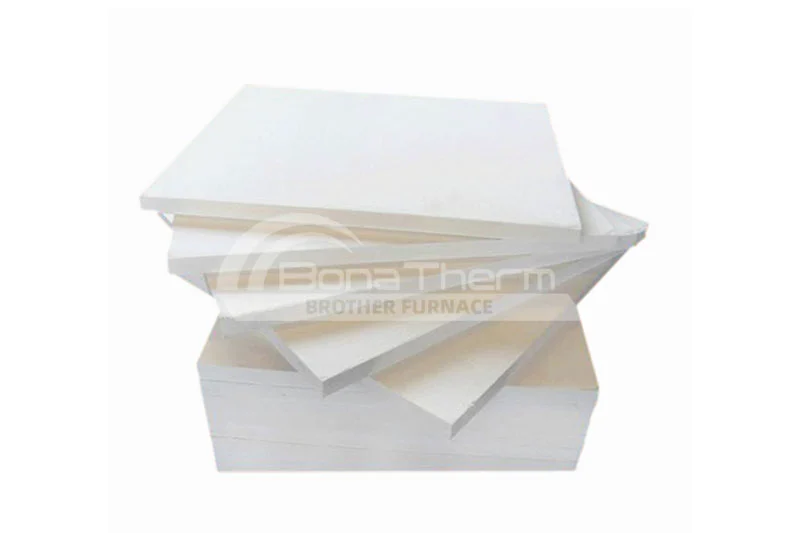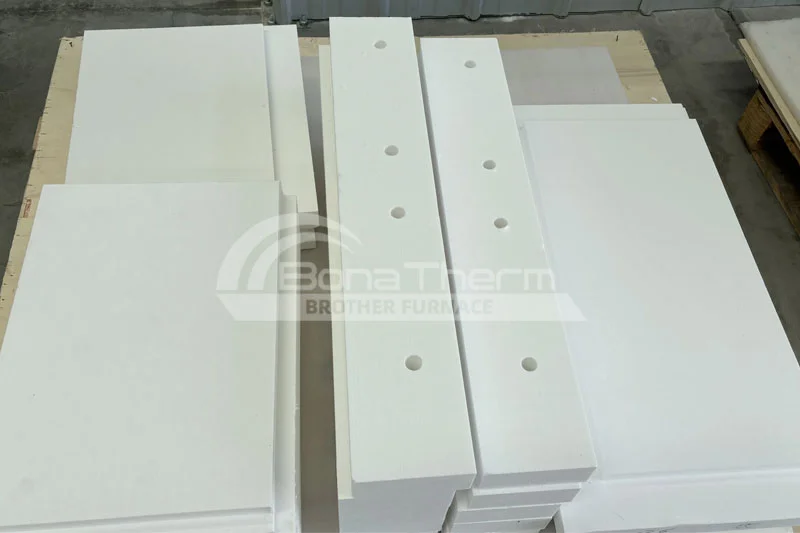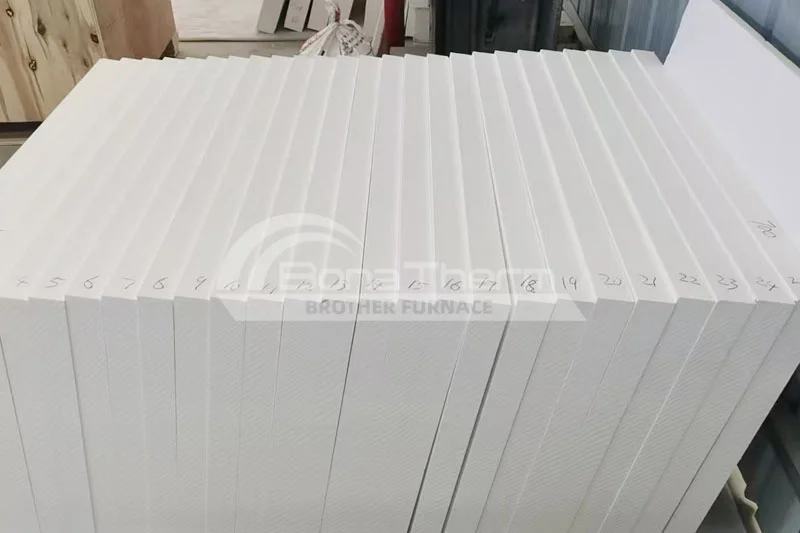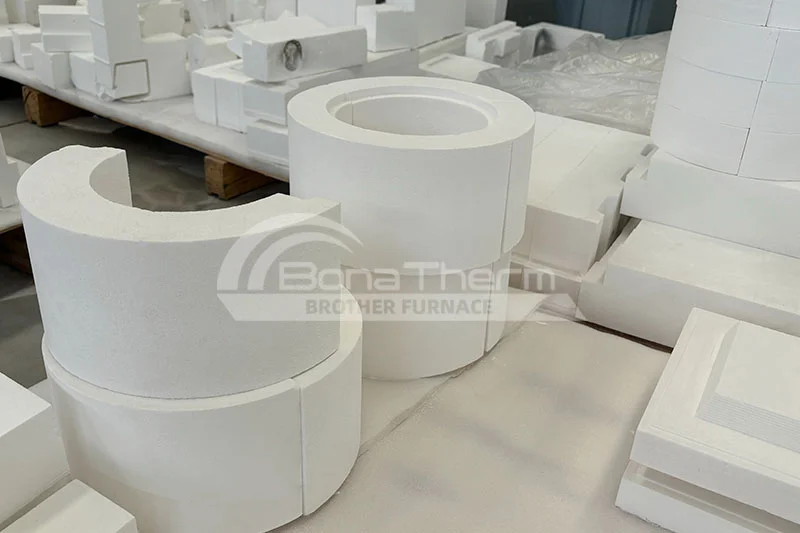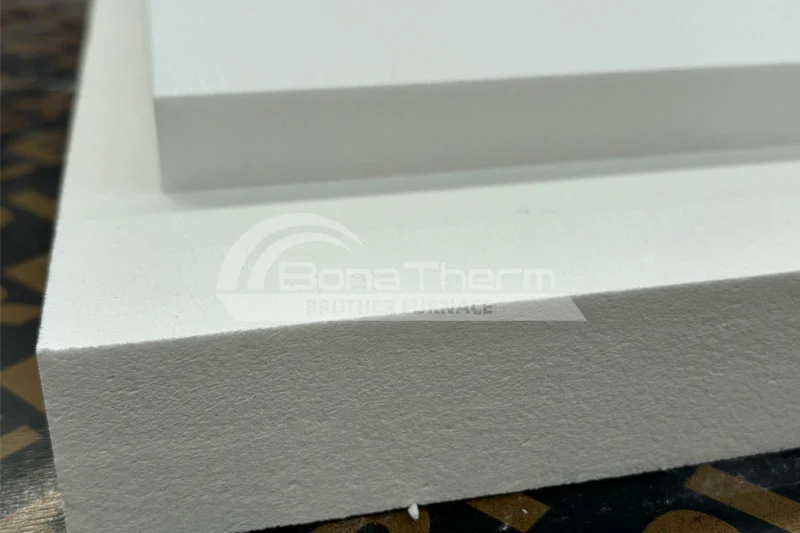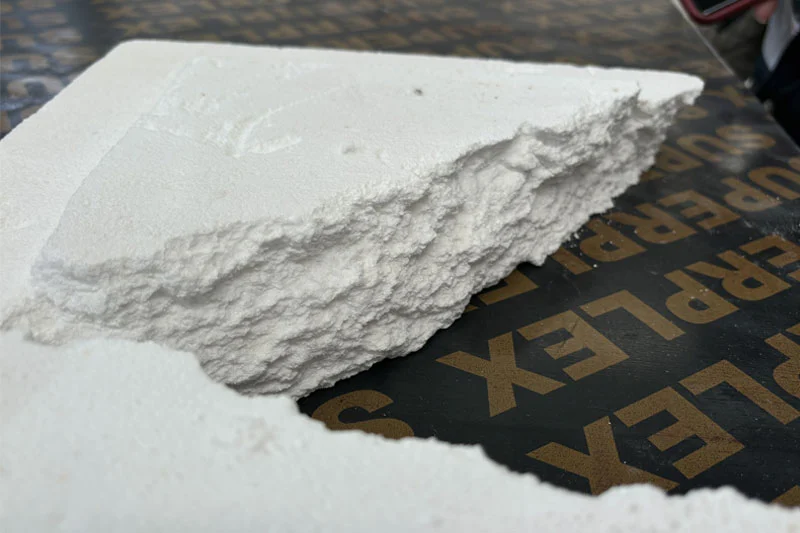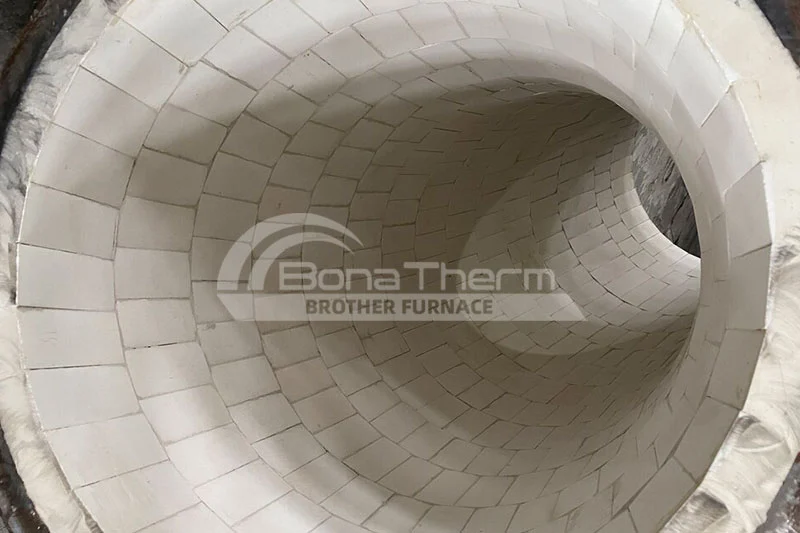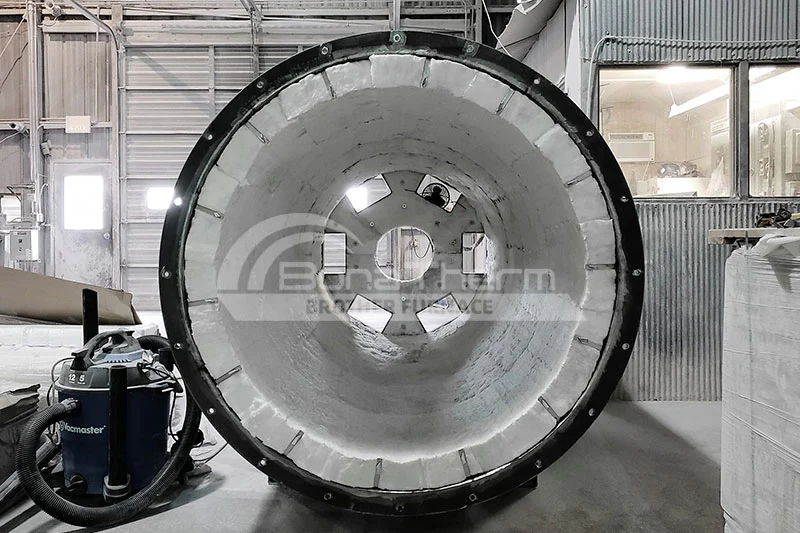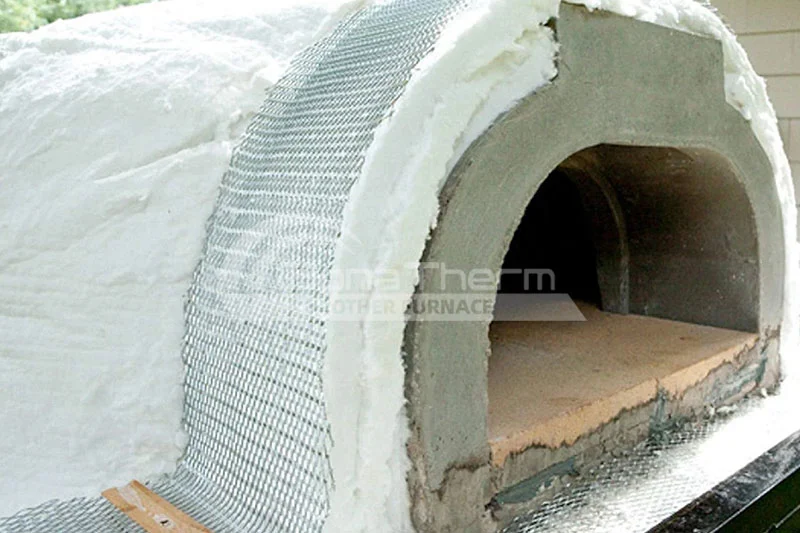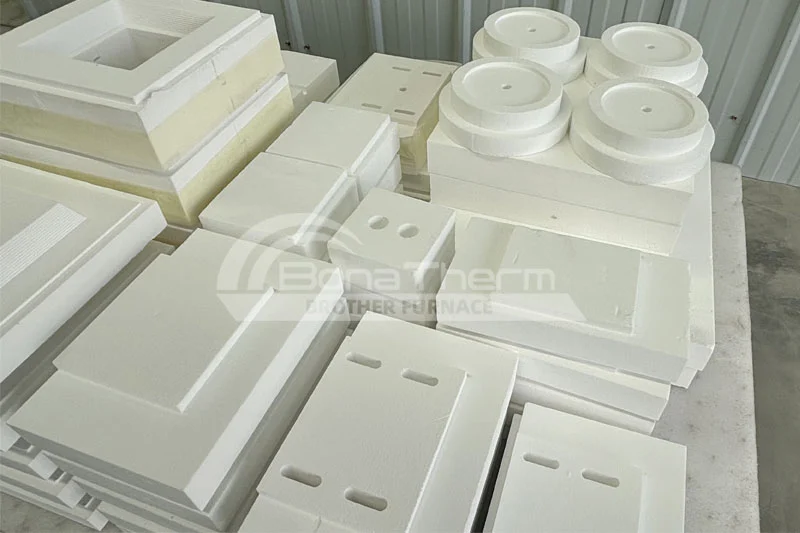
Ceramic fiber boards are high-temperature resistant, thermally insulating, and lightweight refractory materials widely used in electric furnaces and industrial insulation applications.
Brother Furnace ceramic fiber boards are manufactured using premium raw materials (calcined kaolin and alumina powder) through advanced wet vacuum-forming technology.
Combining the flexibility of fibrous materials with the rigidity of boards, they deliver exceptional thermal insulation, high-temperature resistance, mechanical strength, and durability.


| Item | JT1800 | JT1700 | JT1600 | JT1500 | JT1430 | JT1400 | JT1350 | JT1260 | |
|---|---|---|---|---|---|---|---|---|---|
| Operating Temperature | 1600℃ | 1600℃ | 1600℃ | 1300℃ | 1200℃ | 1200℃ | 1000℃ | 1000℃ | |
| Density (KG/m³) | 500-550 | 450-500 | 400-450 | 400-450 | 400 | 350-400 | 300-400 | 300 | |
| Reburning Shrinkage(%)(24H) | ≤1.0(1600℃) | ≤1.0(1600℃) | ≤1.0(1600℃) | ≤1.0(1300℃) | ≤2.0(1200℃) | ≤2.0(1200℃) | ≤2.0(1000℃) | ≤2(1000℃) | |
| Breaking Strength (Mpa) | ≥0.7 | ≥0.7 | ≥0.7 | ≥0.6 | ≥0.5 | ≥0.5 | ≥0.5 | ≥0.5 | |
| Thermal Conductivity (W/m.k) | 600℃ | 0.10 | 0.10 | 0.10 | - | 0.084 | 0.084 | 0.084 | 0.084 |
| 1000℃ | 0.16 | 0.16 | 0.16 | 0.16 | 0.125 | 0.125 | 0.125 | 0.128 | |
| 1200℃ | 0.21 | 0.21 | 0.21 | 0.21 | 0.2 | - | - | - | |
| Chemical Composition | AI2O3 | 80 | 78 | 72 | 70 | 48 | 58 | 55 | 50 |
| AI2O3+SiO2 | 99 | 99 | 99 | 98 | 82 | 98 | 98 | 98 | |
| ZrO3 | - | - | - | - | 16 | - | - | - | |
| Other | 1 | 1 | 1 | 2 | 2 | 2 | 2 | 2 | |
| Slag Content (≥45μm)(%) | 0-2 | 0-2 | 0-2 | ||||||
| Average Fiber Diameter (μm) | 4.4 | 4.4 | 4.4 | 4.4 | 5 | 5 | 5 | 5 | |
| Specific Heat (J/KG/K) | 1.17×10³-1.21×10³ | 1.17×10³-1.21×10³ | 1.17×10³-1.21×10³ | ||||||
| Ignition Loss Rate (%) LOI | 0.1 |
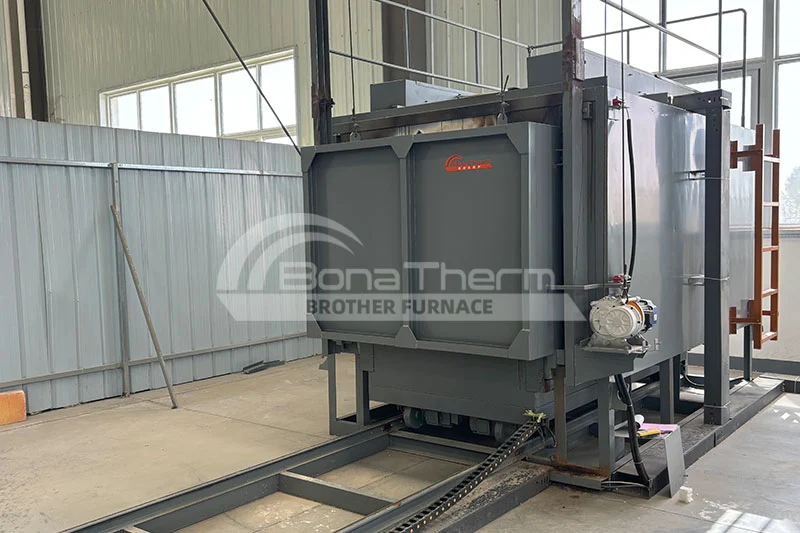
As an experienced refractory material and industrial furnace manufacturer, Brother Furnace adheres to ISO 9001 standards to ensure consistent quality. Through meticulous raw material selection and advanced automated production equipment, we achieve excellent consistency and efficient production capacity.
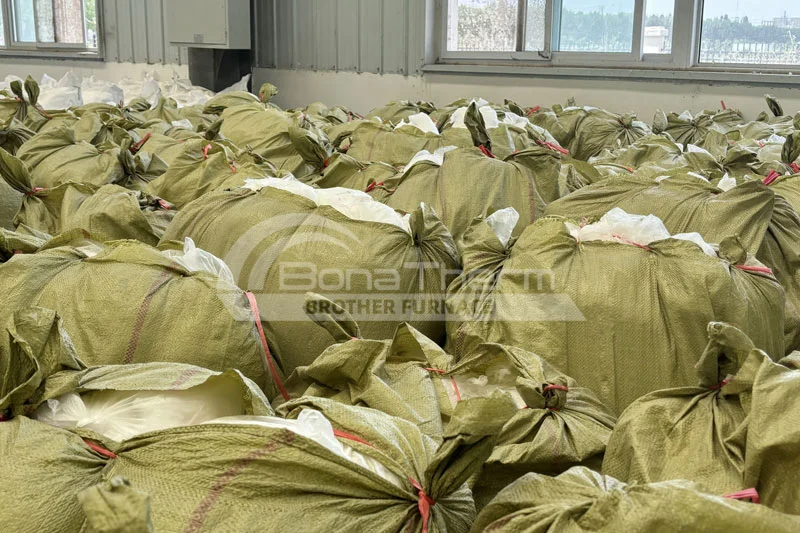
Ceramic fibers, binders, and additives to ensure the physical and chemical performance requirements.
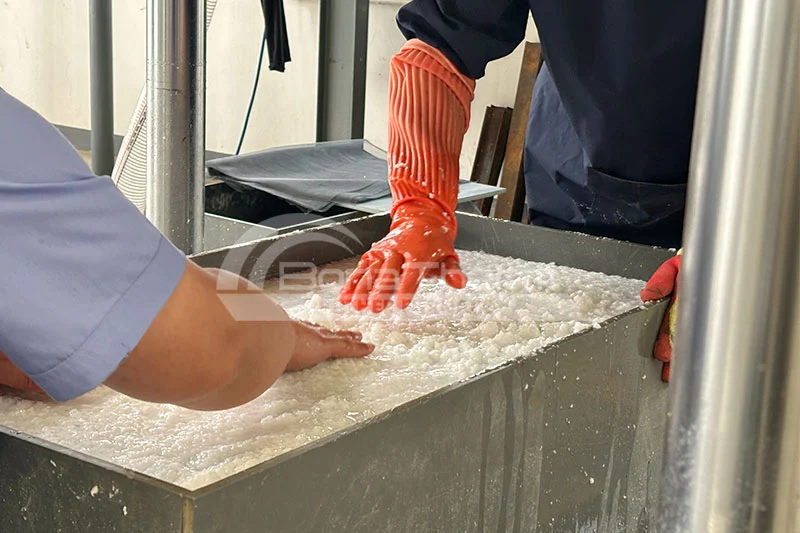
Uniform mixing of materials with water and binders to ensure the uniformity and high-performance of ceramic fiber board.
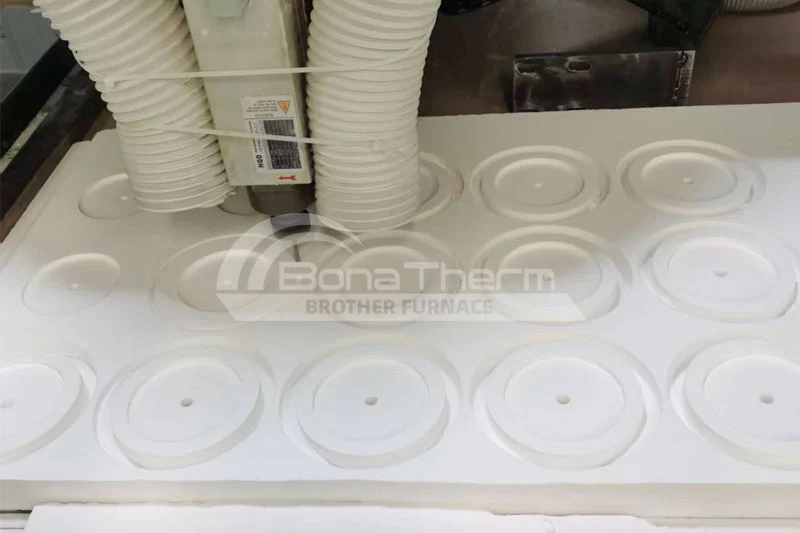
Shaped via advanced molding techniques (pressing/extrusion).
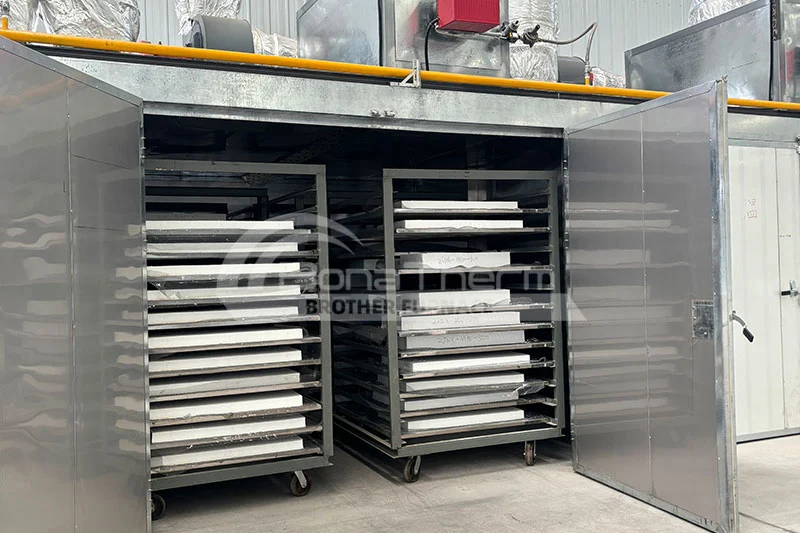
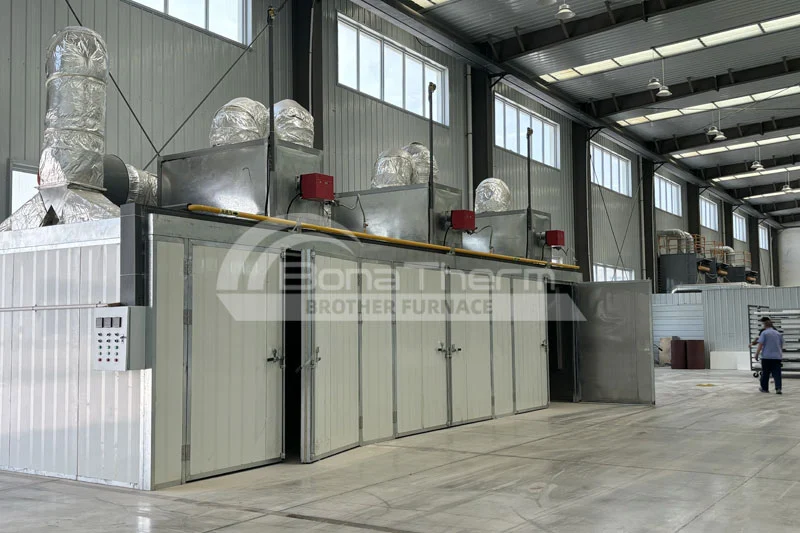
Controlled drying temperature at 100-400℃ to eliminate moisture and prevent cracks.
Firing at high temperatures (typically 1000–1400°C) to densify the ceramic fibers, enhance mechanical strength, and improve thermal stability.
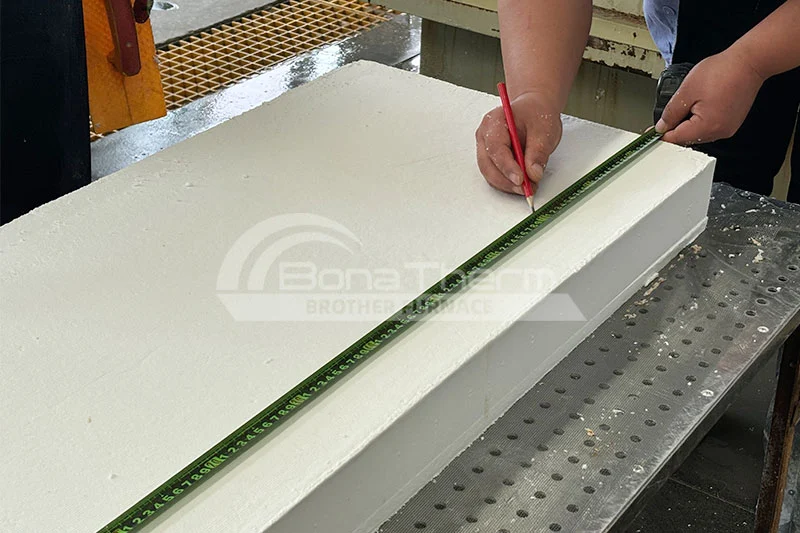
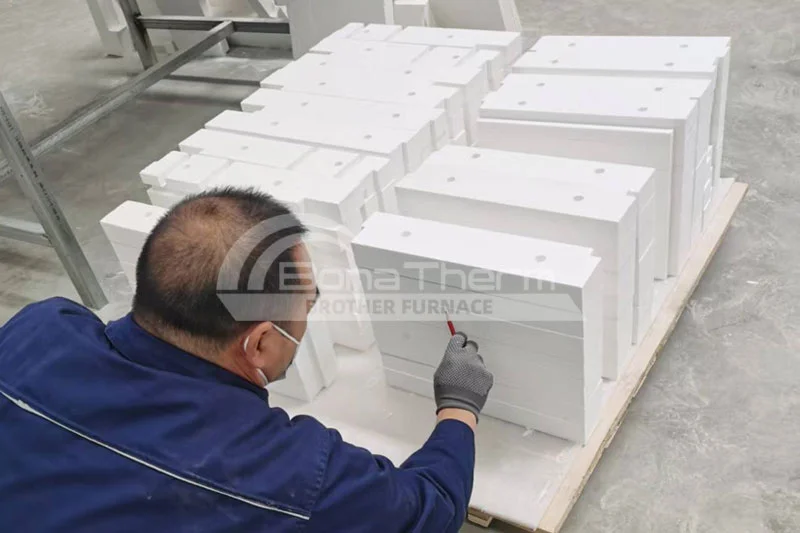
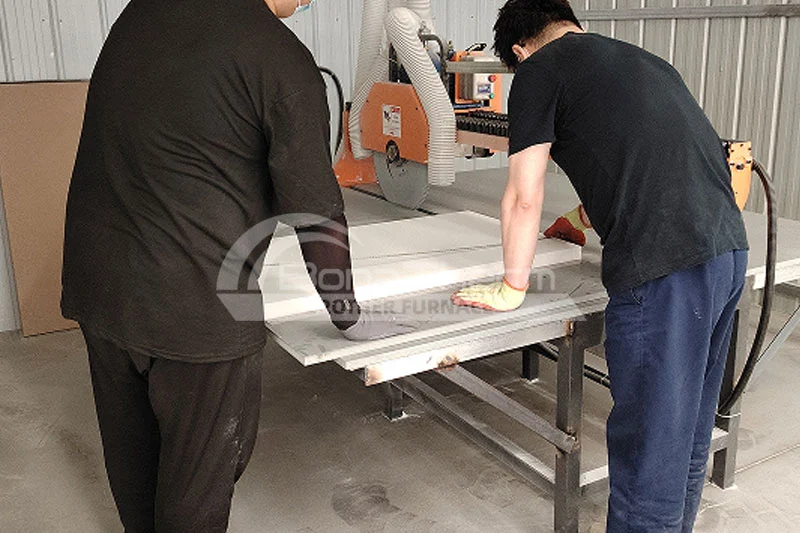
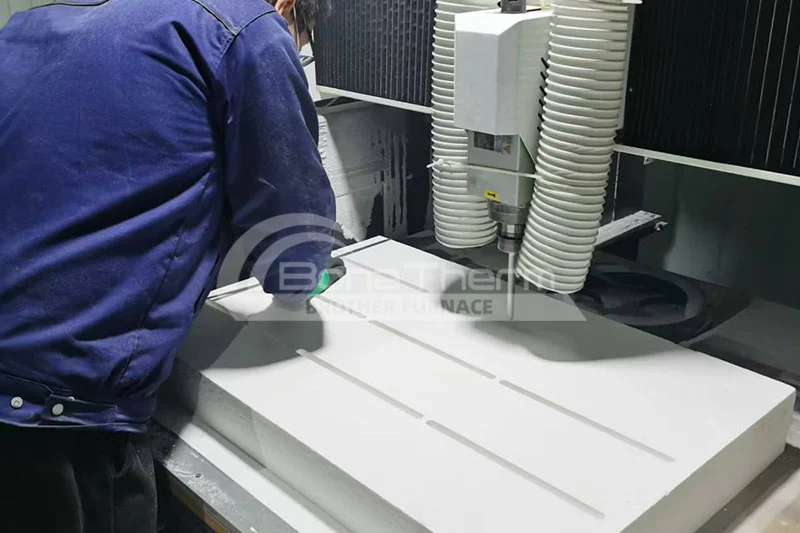
Precision cutting and polishing for dimensional accuracy.

Ultra-low thermal conductivity minimizes heat transfer, reducing energy consumption in industrial kilns and pipelines.
Exceptional compressive/flexural strength resists deformation under thermal or mechanical stress.
Stable performance at 1200–1600℃, ideal for furnaces and high-temperature fluid pipelines.
Non-toxic, asbestos-free, and compliant with global environmental standards.
Flexible and easy to cut, bend, and install on complex surfaces.

Core lining for industrial furnaces.
Protection for boilers and heaters.
Reliable insulation for gas transport systems.
Corrosion-resistant lining for chimneys.
Thermal barriers for stable operations.
Enhances insulation in traditional refractory setups.

Fully automated equipment ensures consistent quality and high-volume output.

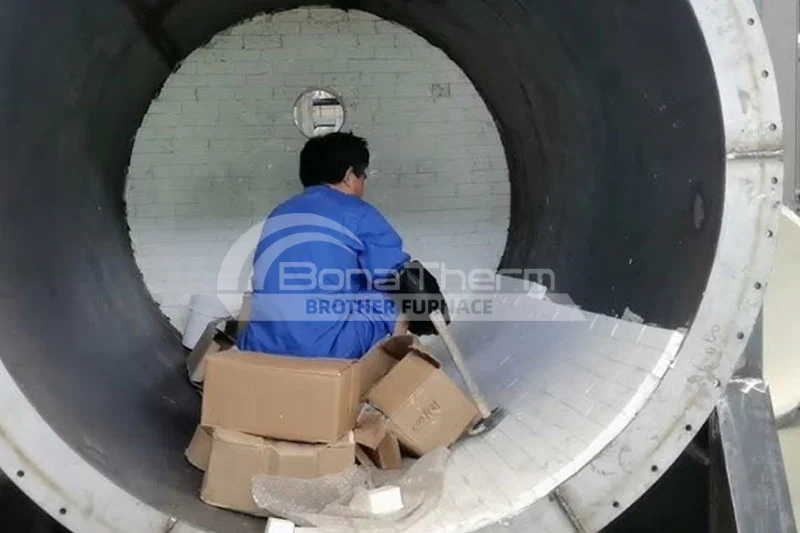
Installation guidance, training, and after-sales service.

Customizable dimensions, density, and thermal properties for diverse needs.

Innovation-driven development under ISO 9001, with >98% product qualification rate.
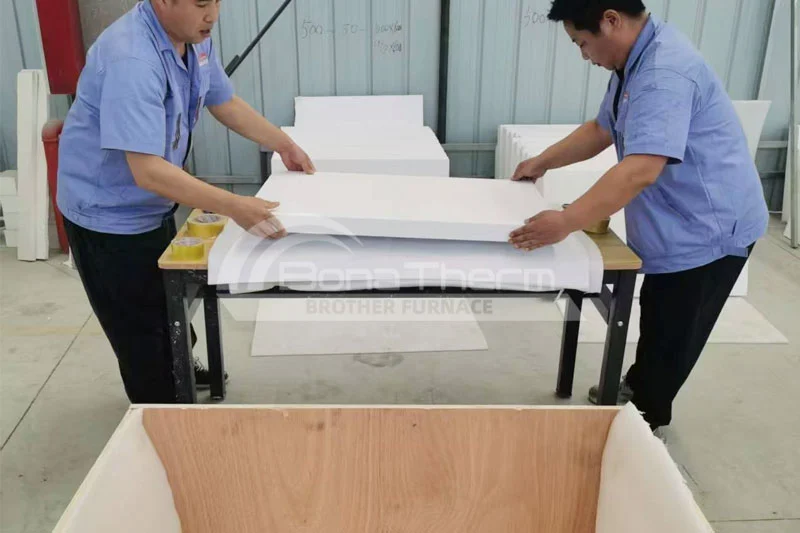
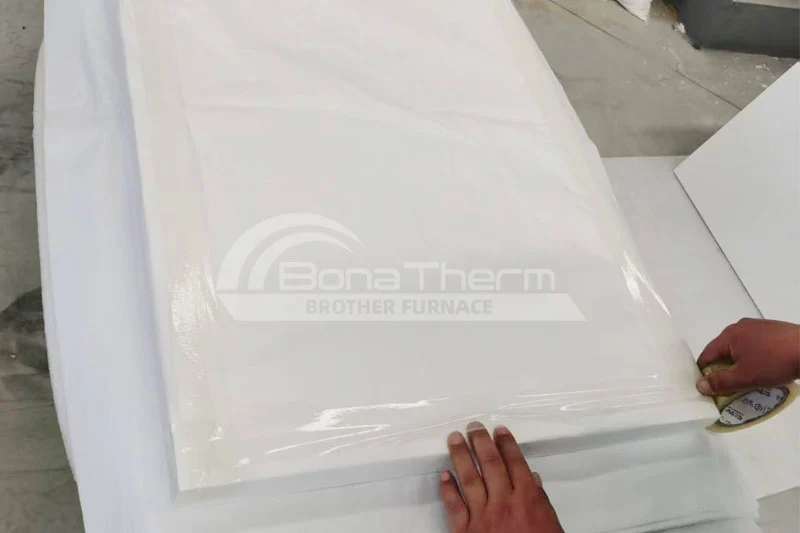
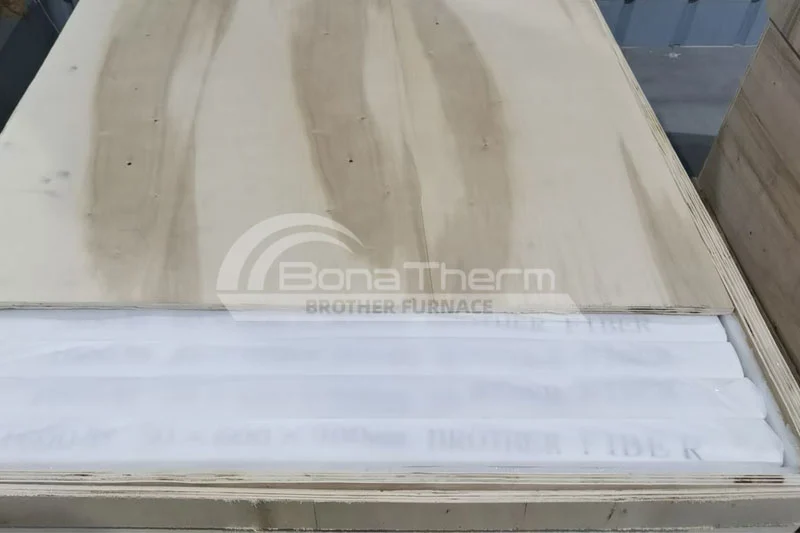
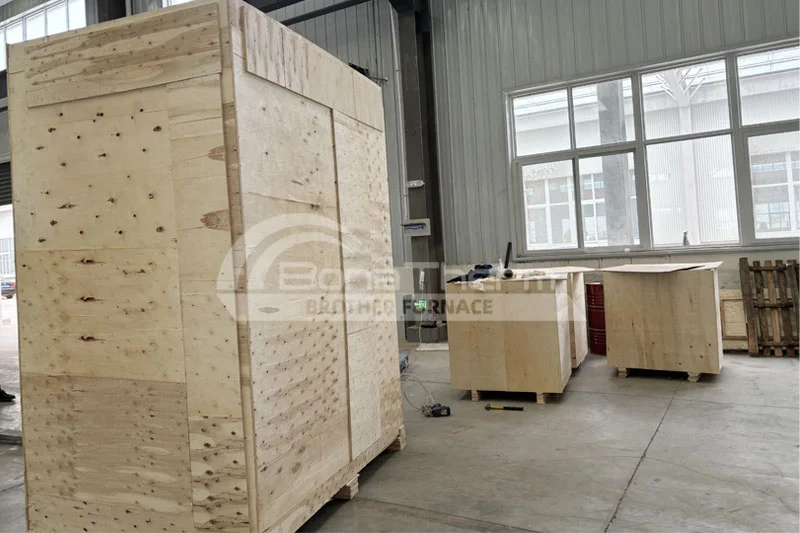
Brother Furnace's Ceramic fiber boards are securely packaged using shock-proof pallets wrapped with moisture-resistant PE film, reinforced cartons, and edge protectors to ensure safe handling during transit. Each package is clearly labeled for easy identification. Standard orders are typically delivered within 10–15 days, with global shipping and real-time tracking available for all shipments.