How to Eliminate Internal Stress? - Professional Solutions Based on Vacuum Annealing Furnaces
 BROTHER FURNACE
 2026-01-26 17:20
In metal material processing, precision component manufacturing, and advanced scientific research applications, internal stress (residual stress) is a widespread yet often overlooked issue. The presence of internal stress not only affects the dimensional stability and mechanical properties of components but may also cause deformation or failure during service.
Therefore, systematically understanding internal stress and applying appropriate process methods to eliminate it is key to ensuring product quality and long-term reliability. Vacuum internal stress elimination as an efficient and reliable professional method, with its core equipment—the vacuum annealing furnace—is becoming the preferred choice for an increasing number of enterprises.
What is Internal Stress?
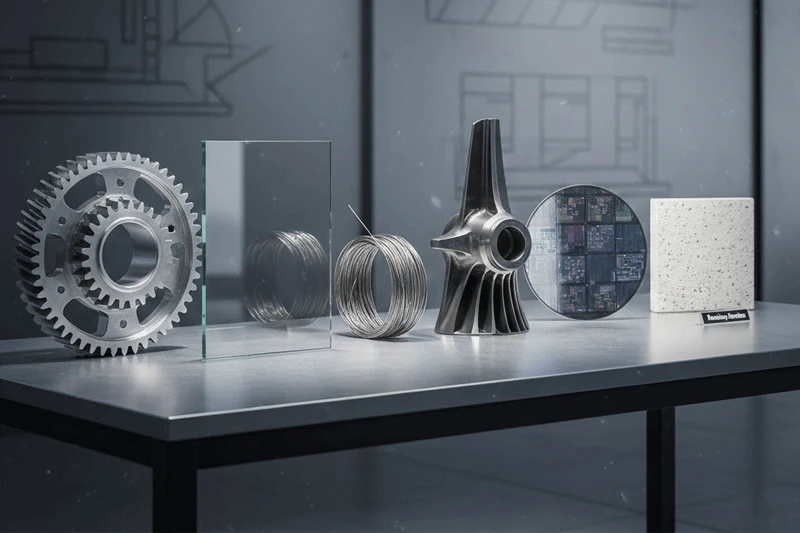
Internal stress, also known as residual stress, refers to the self-balancing stress that remains within a material after external forces or heat sources are removed. It typically originates from uneven plastic deformation, temperature gradients, or microstructural transformations that occur during material processing or manufacturing.
Common processes that generate internal stress include casting, forging, welding, heat treatment, and machining. Due to varying degrees of deformation or cooling in different parts of the material, stress cannot be fully released and ultimately becomes "locked" within the material in residual form.
What Harm Does Internal Stress Cause to Materials and Components?
Although internal stress is difficult to detect visually, its potential hazards often persist throughout the entire service life of components, primarily manifested in the following aspects:
Reduced dimensional stability: During subsequent processing, assembly, or service, internal stress gradually releases, causing slow deformation of components
Limited machining accuracy: Stress redistribution during precision machining affects geometric tolerance and consistency
Decreased fatigue performance: The combination of internal stress and external loads shortens the material's fatigue life
Increased risk of cracking and failure: In welded structures or high-stress areas, residual tensile stress easily induces cracks
For industries such as aerospace, mold manufacturing, precision machinery, and scientific research, internal stress issues directly impact product reliability and operational safety. Vacuum internal stress elimination technology is an effective solution to these problems.
How is Internal Stress Typically Eliminated?
For different materials and structural forms, common industrial methods for eliminating internal stress include:
Natural aging: Slow release of internal stress through long-term storage, but with long cycles and uncontrollability
Vibratory stress relief: Uses mechanical vibration to promote stress redistribution, suitable for certain structural components
Thermal aging (annealing treatment): Achieves stress relaxation through heating that enables atomic diffusion and displacement within the material
Vacuum internal stress elimination: Controlled heating and cooling in a vacuum environment, the mainstream solution for high-demand applications
In scenarios requiring high surface quality, microstructural stability, and process repeatability, traditional air annealing can no longer meet requirements. Using professional vacuum annealing furnaces for vacuum internal stress elimination has become the preferred solution for ensuring treatment effectiveness and workpiece quality.
How Do Vacuum Annealing Furnaces Achieve Internal Stress Elimination?
Vacuum annealing furnaces achieve effective release of internal stress by precisely controlling the heating, holding, and cooling of workpieces in high vacuum or low-pressure environments. The core mechanisms of this vacuum internal stress elimination process include:
Uniform heating: Advanced vacuum annealing furnaces feature excellent temperature consistency in high-temperature zones, reducing new stresses caused by thermal gradients
Adequate holding: Provides sufficient time for internal stress redistribution within the material, ensuring thorough vacuum internal stress elimination effects
Controlled cooling: Avoids the generation of new residual stresses during the cooling phase through programmed temperature reduction
Oxygen-free environment: Effectively prevents oxidation, decarburization, and surface contamination under vacuum conditions
Through this process, stresses within the material gradually reach equilibrium, achieving the goal of microstructural stabilization and internal stress elimination. Selecting appropriate vacuum annealing furnaces is crucial for achieving ideal vacuum internal stress elimination results.
Advantages of Vacuum Internal Stress Elimination Technology
Compared with conventional annealing methods, vacuum internal stress elimination offers the following significant advantages:
Stable and repeatable stress elimination effects
High workpiece surface quality, without oxidation or discoloration
Suitable for sensitive materials such as high-alloy steels, stainless steels, and titanium alloys
Precise temperature control, ideal for high-precision components
Can be integrated with vacuum heat treatment and vacuum tempering processes
For these reasons, professional vacuum annealing furnaces have been widely applied in vacuum internal stress elimination for molds, aerospace components, precision machinery, and research samples, becoming key equipment for improving product quality and reliability.
Application of Brother Furnace Vacuum Annealing Furnaces in Internal Stress Elimination
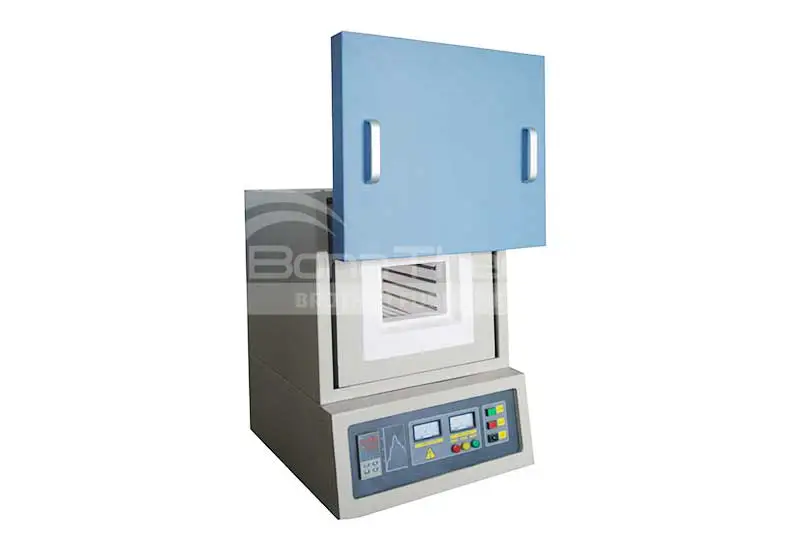
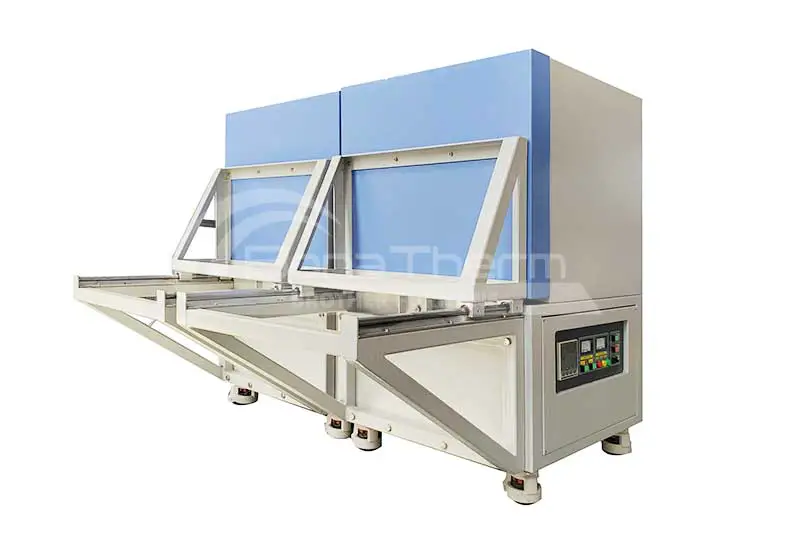
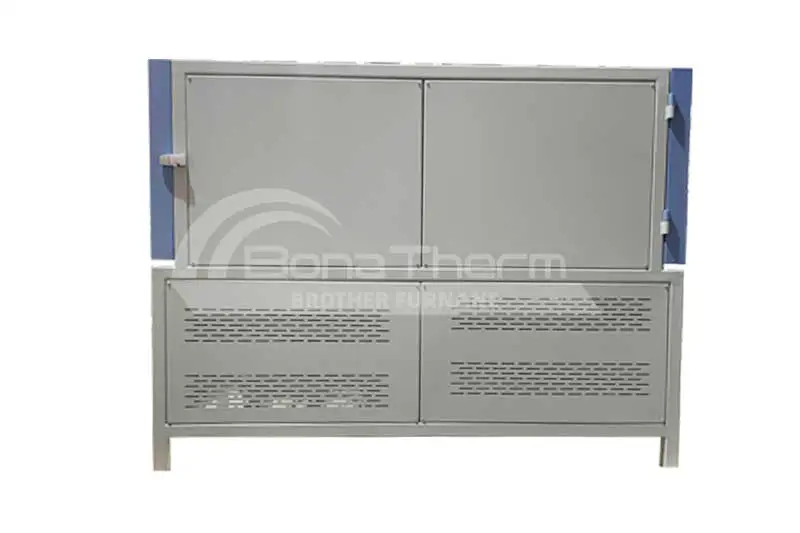
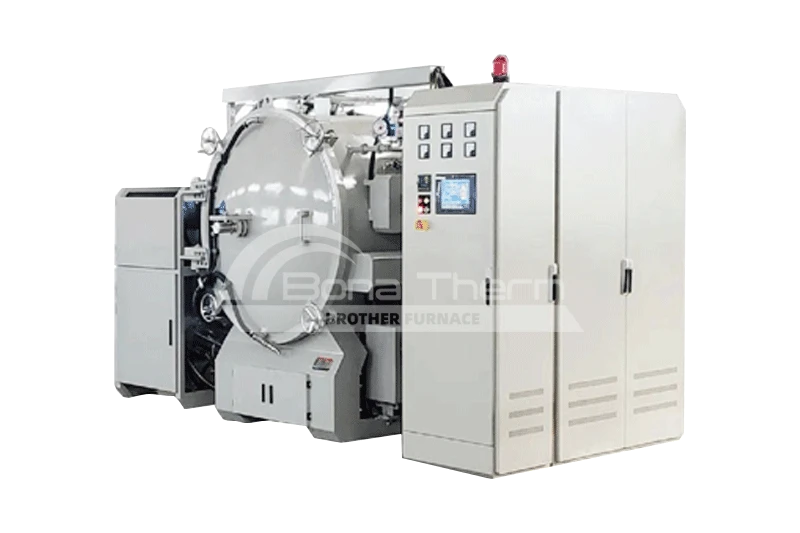
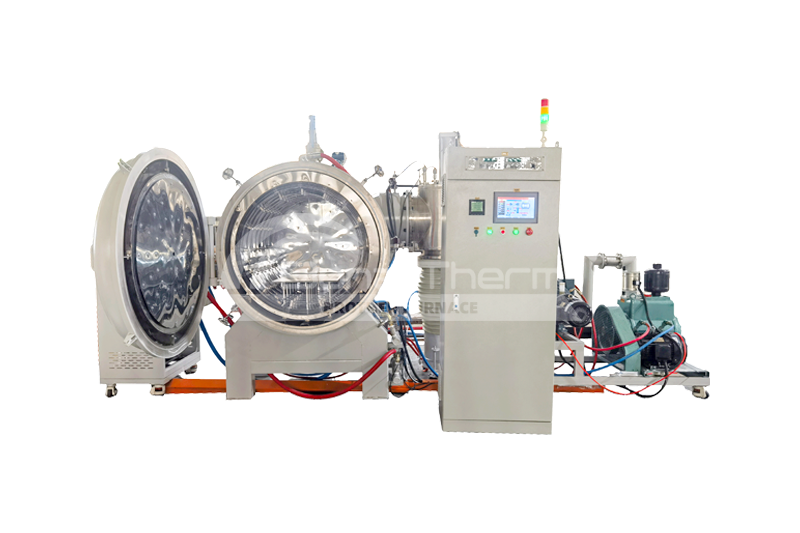
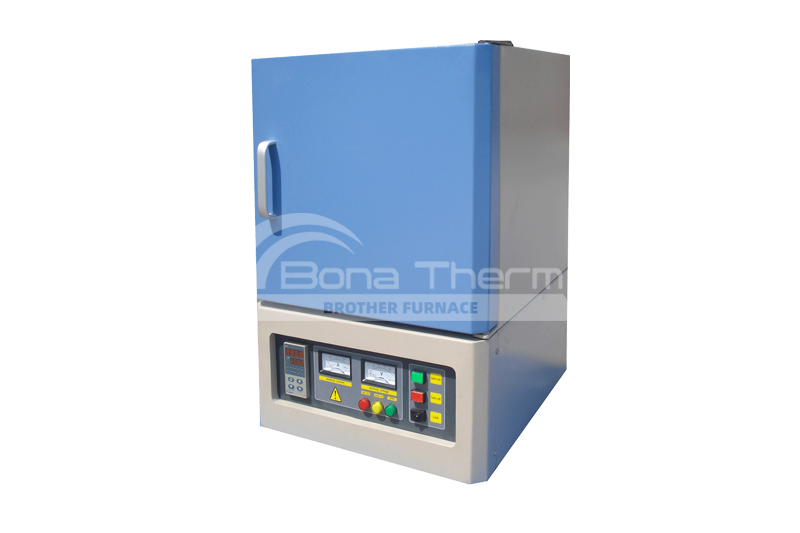
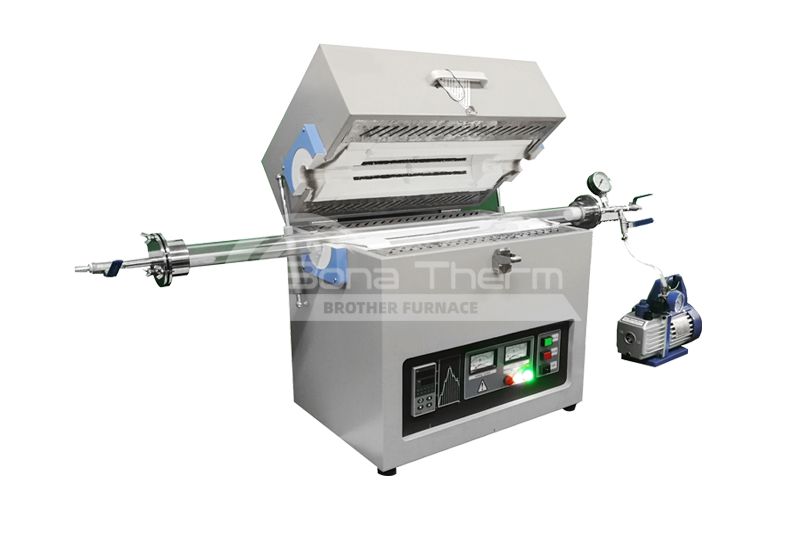
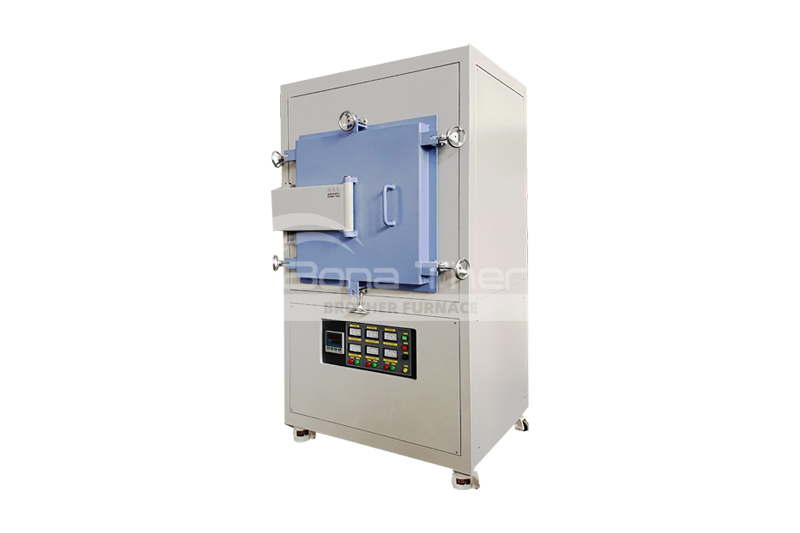
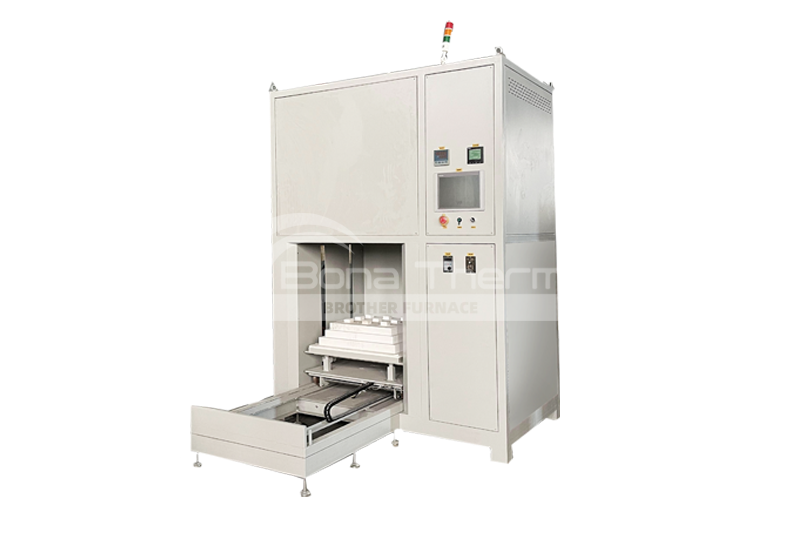
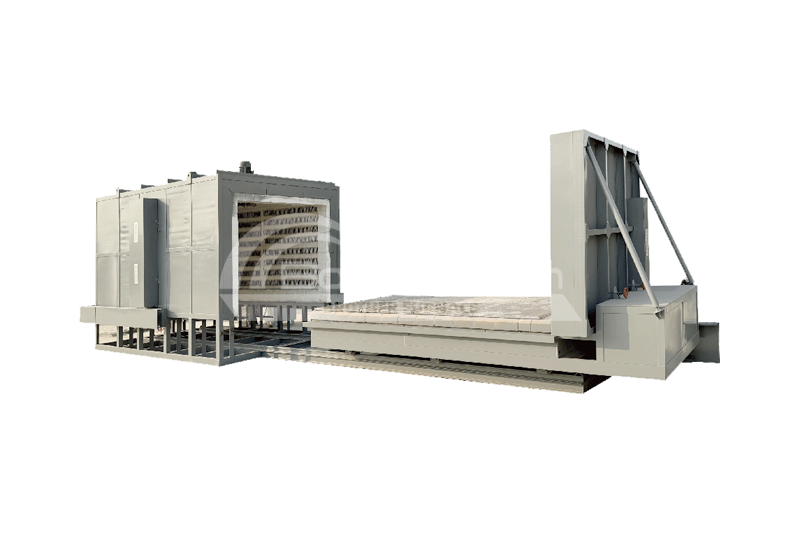
To meet the vacuum internal stress elimination process requirements of different industries, Brother Furnace provides multiple series of vacuum annealing furnace solutions suitable for internal stress elimination in metal materials, precision components, and research samples.
Brother Furnace's vacuum annealing furnaces emphasize temperature uniformity, process stability, and system reliability in their design. Through reasonable heating structure layout and precise temperature control systems, they ensure uniform stress release during workpiece heating, holding, and cooling phases, preventing the generation of secondary residual stresses. Our equipment is optimized specifically for vacuum internal stress elimination processes, providing comprehensive solutions.
Equipment features include:
Stable vacuum systems that ensure annealing processes occur in low-oxygen, contamination-free environments, creating ideal conditions for vacuum internal stress elimination
High-precision temperature control and excellent furnace temperature field consistency ensure stable treatment results from vacuum annealing furnaces
Support for multi-stage program control, meeting the vacuum internal stress elimination requirements for different materials and processes
Suitable for stress elimination in mold steels, stainless steels, high-alloy materials, and precision structural components
Through vacuum internal stress elimination processes, Brother Furnace vacuum annealing furnaces can effectively improve the dimensional stability and service reliability of components, meeting the stringent internal stress elimination requirements of advanced manufacturing and scientific research fields. Our vacuum annealing furnaces have been successfully applied in vacuum internal stress elimination practices across multiple industries, achieving remarkable results.
Conclusion
Although internal stress cannot be completely avoided, efficient and controllable elimination effects can be achieved through scientific process design and appropriate equipment selection. The application of vacuum annealing furnaces in vacuum internal stress elimination has become a mature technical approach for improving product quality and stability. Choosing professional vacuum annealing furnaces for vacuum internal stress elimination can not only solve current internal stress problems but also provide reliable technical support for long-term enterprise development.
If you face internal stress-related issues during material processing or component manufacturing, Brother Furnace can provide professional vacuum annealing furnaces and vacuum internal stress elimination solutions based on your material types, process requirements, and application scenarios. Our professional technical team will offer comprehensive support from process development to equipment selection.
Contact us to obtain technical support and equipment recommendations better suited to your needs. Let Brother Furnace vacuum annealing furnaces become your reliable partner in achieving perfect vacuum internal stress elimination.