Vacuum Pump in Vacuum Furnace: Functions, Types and Selection Guide
 BROTHER FURNACE
 2026-03-11 23:58
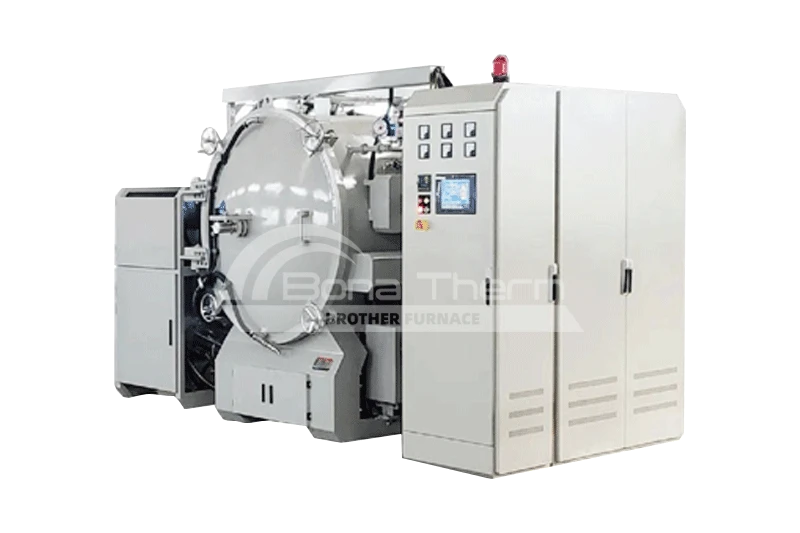
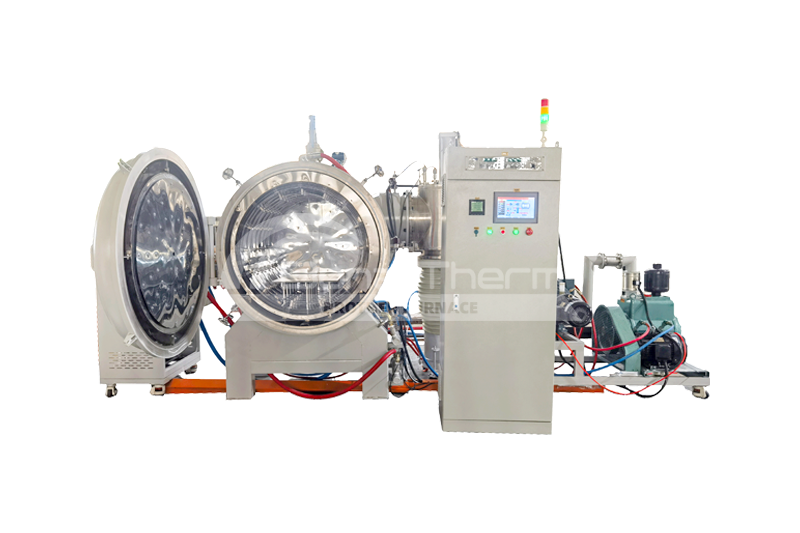
In many high-temperature industrial processes such as heat treatment, brazing, sintering, and materials research, a stable vacuum environment is essential. A Vacuum Furnace creates such an environment by removing air and gases from the furnace chamber before and during heating.
At the heart of this system is the Vacuum Pump. The vacuum pump system determines how quickly the furnace reaches the required vacuum level and how stable that environment remains during the process.
Understanding how vacuum pumps work in a vacuum furnace system can help users better evaluate equipment performance and select the right furnace configuration for their applications. Many modern vacuum furnace manufacturers, including Brother Furnace, carefully design the vacuum pumping system to ensure reliable performance and efficient operation.
The Role of Vacuum Pumps in a Vacuum Furnace
The primary purpose of a vacuum pump in a vacuum furnace is to remove gas molecules from the furnace chamber, thereby creating a low-pressure environment. This controlled atmosphere is crucial for preventing oxidation, contamination, and unwanted chemical reactions during high-temperature processing.
In a typical vacuum furnace system, the vacuum pump performs several key functions:
- Evacuating the furnace chamber before the heating process begins
- Maintaining a stable vacuum level during high-temperature operation
- Removing gases released from materials during heating
- Ensuring repeatable process quality in industrial production
Processes such as vacuum brazing, vacuum heat treatment, and vacuum sintering rely heavily on stable vacuum conditions. A properly designed vacuum pump system ensures that these processes achieve consistent and high-quality results.
Multi-Stage Vacuum Pump Systems
Industrial vacuum furnaces rarely rely on a single pump. Instead, they typically use a multi-stage pumping system, where several pumps work together to gradually reduce the pressure from atmospheric conditions to high vacuum.
A typical vacuum furnace pumping sequence may look like this:
Furnace Chamber → Mechanical Pump → Roots Pump → High Vacuum Pump
Each pump operates within a specific pressure range and contributes to achieving the final vacuum level. This staged approach improves pumping efficiency and reduces the time required to reach the desired vacuum.
Common Types of Vacuum Pumps Used in Vacuum Furnaces
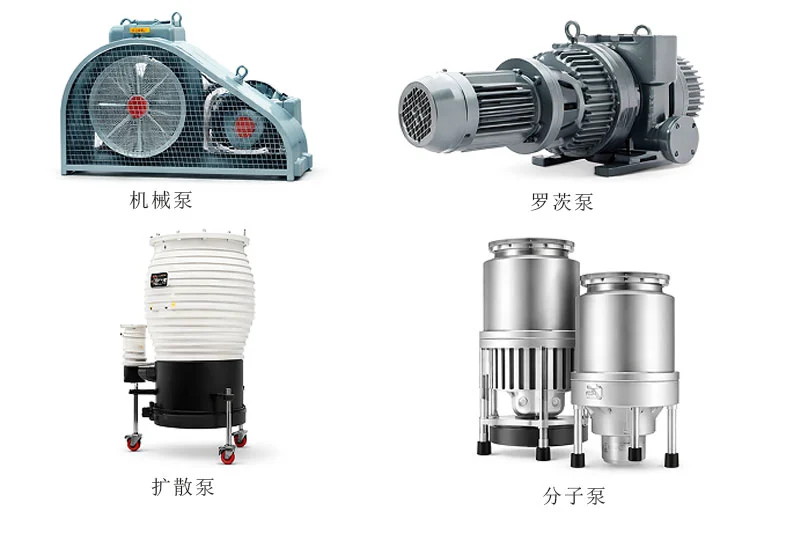
Different types of vacuum pumps are used depending on the required vacuum level and the specific application. The most common pumps used in vacuum furnace systems include the following.
Mechanical Pump (Rotary Vane Pump)
The mechanical pump is usually the first stage of the vacuum system. Its main role is to remove the majority of the air from the furnace chamber and bring the pressure down from atmospheric pressure to a medium vacuum level.
Typical vacuum level: around 10 Pa
Mechanical pumps are widely used because they:
- Provide reliable initial pumping capability
- Offer stable and durable operation
- Require relatively simple maintenance
In many vacuum furnace systems, the mechanical pump acts as the foundation of the entire vacuum pumping process.
Roots Pump
The Roots pump is commonly used together with a mechanical pump to increase pumping speed and achieve deeper vacuum levels.
Typical vacuum range: 500 Pa to 0.1 Pa
Roots pumps offer several advantages:
- Significantly increase pumping speed
- Reduce the time required to reach a working vacuum
- Improve overall system efficiency
In most industrial vacuum furnaces, the mechanical pump and Roots pump operate together as a pre-vacuum pumping unit.
Diffusion Pump
For applications requiring higher vacuum levels, diffusion pumps are widely used.
Typical vacuum range: 10 Pa to 0.006 Pa
Diffusion pumps operate by generating high-speed vapor jets that direct gas molecules toward the pump outlet. They are commonly used in vacuum furnace systems because they:
- Provide high pumping speed
- Are suitable for large vacuum chambers
- Deliver stable high-vacuum performance
Diffusion pumps are frequently used in vacuum brazing furnaces, vacuum heat treatment furnaces, and other industrial vacuum processing systems.
Turbomolecular Pump
For applications that require very high vacuum levels or extremely clean vacuum environments, turbomolecular pumps are often used.
Typical vacuum level: around 0.006 Pa or lower
These pumps use rapidly rotating blades to transfer momentum to gas molecules and move them out of the system. Turbomolecular pumps offer several advantages:
- Achieve very high vacuum levels
- Provide clean, oil-free vacuum conditions
- Suitable for laboratory or precision industrial processes
They are often used in research laboratories, semiconductor processing, and advanced material applications.
Factors to Consider When Selecting Vacuum Pumps
Choosing the right vacuum pump configuration for a vacuum furnace depends on several important factors.
Required Vacuum Level
Different thermal processes require different vacuum levels. For example:
- Vacuum heat treatment may require medium vacuum levels
- Vacuum brazing often requires higher vacuum conditions
- Advanced materials research may require high or ultra-high vacuum
Furnace Chamber Size
The volume of the furnace chamber directly affects the required pumping speed. Larger chambers require more powerful pumping systems to achieve the desired vacuum within a reasonable time.
Process Materials
Certain materials release gases during heating. In such cases, a stronger vacuum pumping system is necessary to remove these gases and maintain stable vacuum conditions.
Process Stability and Efficiency
A properly designed vacuum pump system ensures reliable operation, shorter pumping times, and consistent product quality during repeated production cycles.
Vacuum Pump Systems in Modern Vacuum Furnaces
In vacuum furnace design, the vacuum pump system is carefully matched with the furnace chamber size, heating power, and processing requirements.
A typical industrial vacuum furnace may use a combination such as:
- Mechanical pump
- Roots pump
- Diffusion pump or turbomolecular pump
This multi-stage configuration enables the vacuum furnace to achieve the required vacuum efficiently while maintaining stable operating conditions throughout the heating process.
Manufacturers such as Brother Furnace design vacuum furnace systems with optimized pump configurations to ensure efficient evacuation, stable vacuum levels, and long-term operational reliability.
Conclusion
The vacuum pump system is one of the most critical components in a vacuum furnace. By combining different types of pumps—such as mechanical, Roots, diffusion, and turbomolecular pumps—a vacuum furnace can achieve the precise vacuum required for advanced thermal processing.
When selecting a vacuum furnace, it is important to consider not only the heating temperature and chamber size but also the design and performance of the vacuum pump system. A well-designed vacuum pumping system ensures efficient operation, stable vacuum levels, and consistent processing results.
If you would like to learn more about vacuum furnace technology or need help selecting the right vacuum pump configuration for your application, the team at Brother Furnaceis ready to provide professional guidance and customized vacuum furnace solutions.
- Pre: Celebrating the 2026 Spring Festival
- Next: Sorry!